



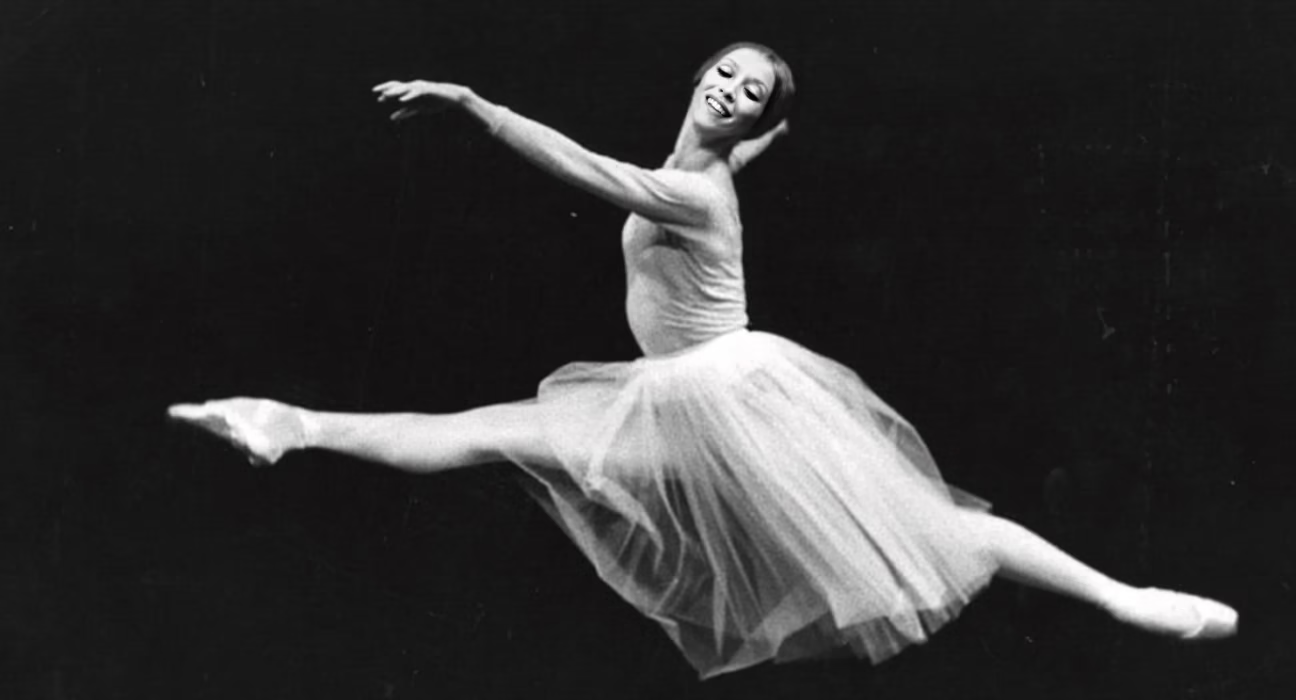
The name Natalia Makarova is synonymous with grace, artistry, and innovation in the realm of ballet. Renowned worldwide, she has left an indelible mark on dance history through her groundbreaking performances and artistic leadership. From her early beginnings in Russia to becoming a global ballet icon, the journey of Natalia Makarova is a compelling story of passion, perseverance, and artistry that continues to inspire dancers and aficionados alike.
In this comprehensive exploration, we will delve into her early life, her illustrious career, her contributions to ballet, and her enduring legacy. Whether you’re a dance student, a ballet enthusiast, or someone interested in the arts, understanding the life and impact of Natalia Makarova provides valuable insights into the evolution of ballet in the 20th and 21st centuries.
Early Life and Formative Years – Foundations of a Ballet Trailblazer
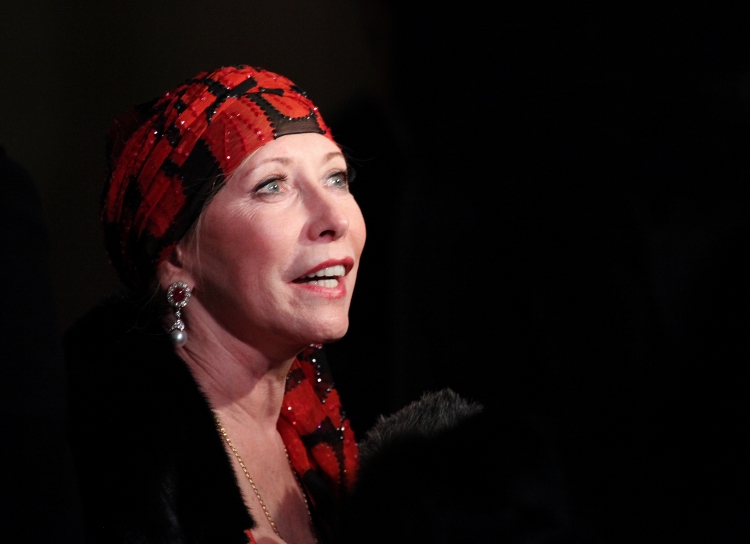
The beginning of Natalia Makarova’s story is rooted in her native Russia, where her innate talent and dedication to ballet took shape during her childhood and adolescence. Her early training and cultural environment played pivotal roles in shaping her artistic identity and technical prowess.
Childhood in Russia and Initial Ballet Training

Born in 1941 in Leningrad (now Saint Petersburg), Natalia Makarova was introduced to dance at a young age. Growing up in a city renowned for its rich artistic heritage, she was exposed to a vibrant cultural environment that fostered her budding talent. Her family recognized her potential early on, and she began rigorous ballet training at the Leningrad State Choreographic Institute, one of the most prestigious ballet academies in the world.
This period in her life was marked by intense discipline and a relentless pursuit of excellence. The Russian ballet tradition emphasizes technical precision, expressive storytelling, and a deep connection to musicality—all of which are evident in her early performances. Her teachers recognized her natural aptitude and nurtured her development, providing her with the technical foundation that would later define her career.
Transitioning to the Kirov Ballet and Early Performances

By her teenage years, Natalia’s talent had become evident, and she was invited to join the Kirov Ballet (now Mariinsky Ballet). Her debut with the troupe was a turning point, offering her the stage to showcase her burgeoning artistry. Her performances during this period displayed not only technical mastery but also a keen ability to interpret complex roles with emotional depth.
This phase of her career was characterized by intense training and numerous performances that honed her craft. Despite the demanding schedules, she remained committed to evolving as an artist, constantly seeking new ways to express herself through ballet. Her early successes paved the way for her to eventually gain recognition beyond Russia, marking the beginning of her international journey.
Cultivating Artistic Discipline and Personal Style

During these formative years, Natalia developed a distinctive style that blended classical ballet rigor with expressive freedom. Her teachers emphasized both precision and emotional warmth, lessons she absorbed deeply. This combination would later distinguish her performances, allowing audiences worldwide to connect with her artistry on a profound level.
Her early life in Russia imbued her with a sense of discipline, resilience, and dedication—traits that would serve her throughout her career. Moreover, her exposure to the rich Russian ballet tradition influenced her approach to storytelling and character interpretation, elements central to her artistic identity that would become hallmarks of her legacy.
Transition to Western Ballet Powerhouses – Breaking Barriers and Building Bridges
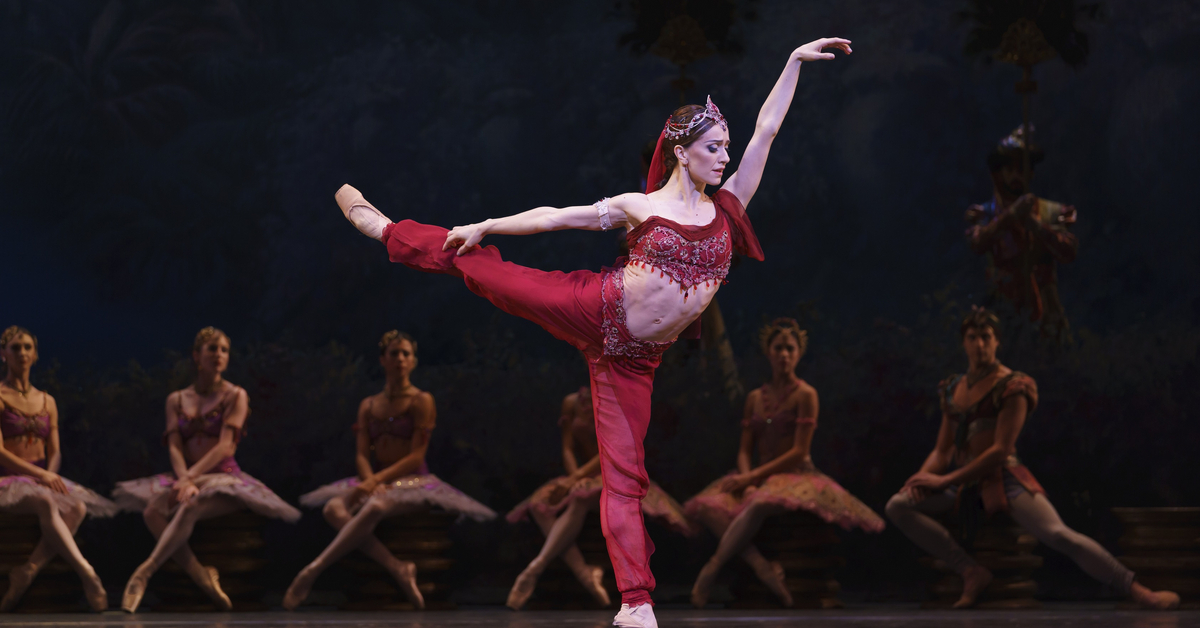
Once she established herself within the Russian ballet scene, Natalia Makarova’s journey transitioned from national to international stages, translating her artistry into global acclaim. Her move to the West was driven by a desire for artistic freedom, new challenges, and broader opportunities to innovate within ballet’s classical and contemporary forms.
Emigration from Russia and the Challenges of Rebellion
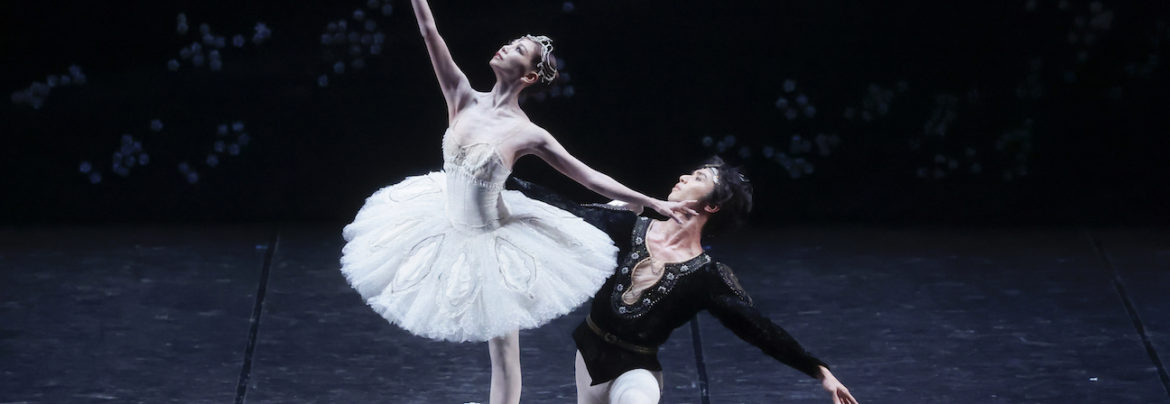
In the late 1960s, a pivotal moment occurred when Natalia decided to leave the Soviet Union to pursue her artistic aspirations abroad. Her defection was driven by her yearning for artistic liberty and the chance to collaborate with Western choreographers and companies. This decision was not without risks; leaving her homeland meant giving up her secure position at the Kirov Ballet and facing political repercussions.
Her emigration marked a bold step, showcasing her courage and commitment to her craft. It also set the stage for her to influence ballet on a global scale. Adapting to new cultural environments, she faced challenges such as language barriers and unfamiliar artistic expectations, but her resilience and talent allowed her to flourish on international stages.
Joining Major Western Ballet Companies
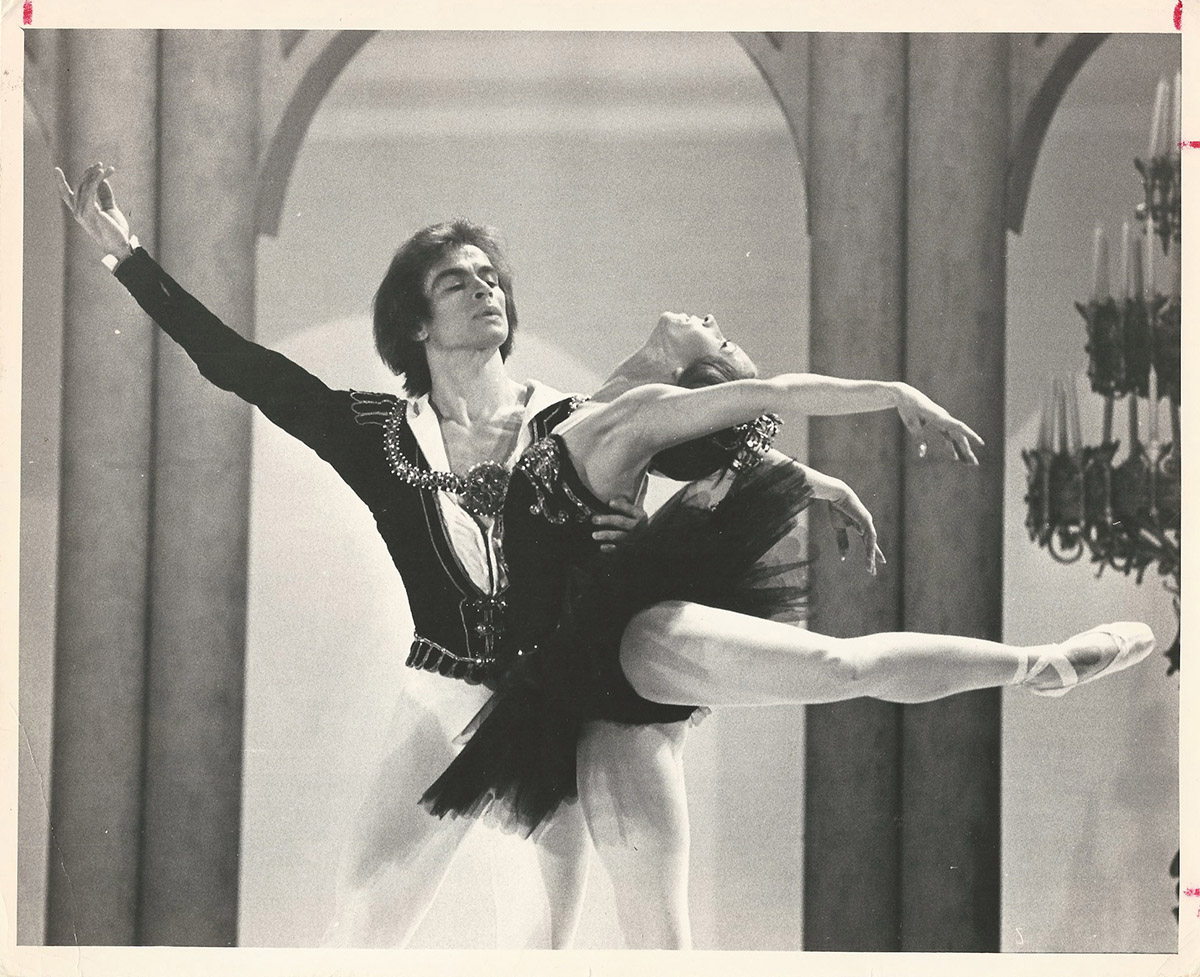
Following her departure from Russia, Natalia Makarova became a principal dancer with prominent ballet companies, most notably the American Ballet Theatre (ABT) and Royal Ballet. Her transition to these institutions was seamless, owing to her technical mastery and expressive intensity. She brought a fresh perspective to classic roles and introduced innovative interpretations that redefined audience perceptions.
Her collaborations with renowned choreographers like Kenneth MacMillan and John Cranko further expanded her artistic horizons. Makarova was known for her versatility—performing both traditional classics such as Odette/Odile in Swan Lake and innovative contemporary works—demonstrating her commitment to the evolution of ballet.
Redefining Ballet’s Boundaries – Artistic Evolution and Innovation
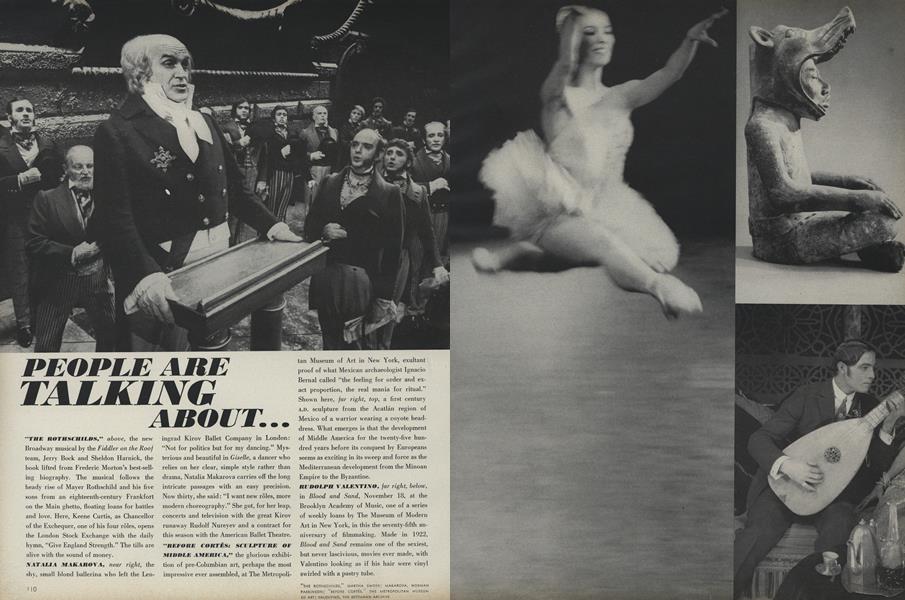
Natalia’s move west catalyzed a period of artistic experimentation and growth. She challenged conventional norms by emphasizing storytelling, emotional authenticity, and physical expressiveness. Her performances often combined technical precision with passionate interpretation, making her performances deeply memorable for audiences worldwide.
Her willingness to take risks with roles and choreography was a testament to her desire to push the boundaries of ballet. As a trailblazer, she contributed to broadening ballet’s appeal beyond traditional audiences, attracting new viewers and inspiring generations of dancers to embrace both technique and emotion.
Artistic Style and Signature Roles – A Fusion of Technique and Emotion
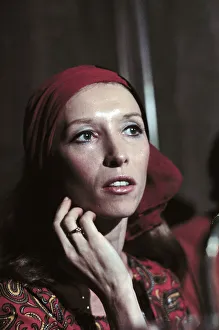
Natalia Makarova’s artistry is characterized by a rare synthesis of technical mastery, expressive depth, and theatricality. Her performances are renowned for their clarity, musicality, and emotional sincerity, making her one of the most influential ballerinas of her era. Her approach to ballet redefined the expectations of classical interpretation and set new standards for excellence.
The Art of Technique – Precision as a Foundation

One of the defining features of Natalia Makarova was her impeccable technique. Her control, agility, and strength allowed her to perform intricate steps with grace and ease. Whether executing light pirouettes or powerful leaps, her technical prowess was always precise, serving as a foundation for her expressive interpretations.
Her mastery of classical vocabulary was complemented by a natural sense of musicality. She flawlessly synchronized her movements with the orchestra, creating performances that felt both effortless and deeply connected to the music. Her technical discipline was not an end but a means to communicate emotion and tell stories more effectively.
Expressive Interpretation – Bringing Characters to Life

While technique provides the structure, it was her ability to embody characters that set Natalia Makarova apart. She approached each role with a deep understanding of the character’s psychology, pain, joy, and transformation. Her Odette/Odile in Swan Lake remains legendary for its emotional complexity and subtle nuance.
Her portrayal of Maryinsky heroines was marked by vulnerability and strength, capturing the audience’s empathy. Her approach often blurred the lines between classical precision and theatrical authenticity, forging a more human and relatable form of ballet interpretation.
Signature Roles and Artistic Impact

Her repertoire spanned a broad spectrum—from the classical titans like Giselle, Sleeping Beauty, and Cinderella to modern interpretations of contemporary choreography. Each role exemplified her unique style—poignant, technical, and layered with emotional depth.
Her influence extended beyond her performance on stage; she also mentored dancers, choreographed, and taught, passing on her knowledge and passion. Her signature was not only in her ability to perform but also in her dedication to elevating ballet as an expressive art form that speaks to universal human experiences.
Legacy and Influence – Inspiring Future Generations of Dancers and Choreographers
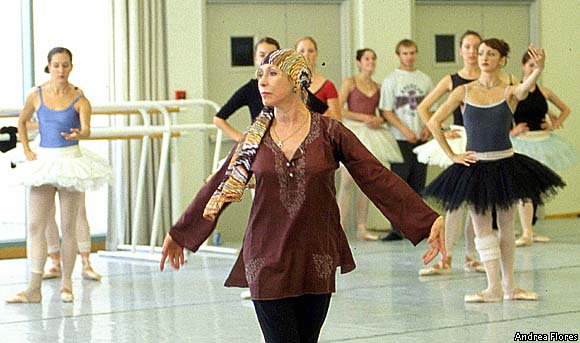
The career of Natalia Makarova has left a profound and lasting impact on ballet and the broader art world. Her pioneering spirit, technical brilliance, and interpretive depth continue to influence dancers, choreographers, and audiences today. Her legacy is preserved through her performances, teachings, and the countless artists she inspired.
Inspiring Future Generations of Dancers
Numerous dancers look up to Natalia Makarova as a role model for her relentless pursuit of artistic excellence and her ability to embody complex characters with authenticity. Her work demonstrated that technical prowess must be complemented by emotional engagement to create compelling performances.
Her teaching and mentorship have nurtured many successful dancers who carry forward her innovative approach. She emphasized the importance of connecting physically and emotionally with roles, encouraging dancers to find their authentic voices on stage.
Contributions to Ballet Education and Choreography
Beyond performing, Natalia Makarova dedicated herself to educating the next generation of dancers. She established ballet programs, offered masterclasses, and served as a choreographer and artistic director. Her efforts ensured that her principles—storytelling, emotional honesty, and technical mastery—would continue to shape ballet’s future.
Her choreographic work often reflected her deep understanding of classical ballet infused with modern sensibilities. This fusion helped bridge traditional ballet with contemporary artistic expressions, enriching the art form’s diversity.
Recognitions and Honors

Throughout her life, Natalia Makarova received numerous awards and honors acknowledging her contribution to dance. Her achievements include the Presidential Medal of Freedom, the Laurence Olivier Award, and countless honorary degrees. These accolades highlight her influence not only as an artist but also as a cultural ambassador who elevated ballet on the global stage.
Her enduring relevance is a testament to her ability to adapt, innovate, and inspire—qualities that keep her films, performances, and teachings alive. The poetic elegance of her artistry continues to resonate with audiences and dancers, cementing her status as a ballet legend.
Conclusion
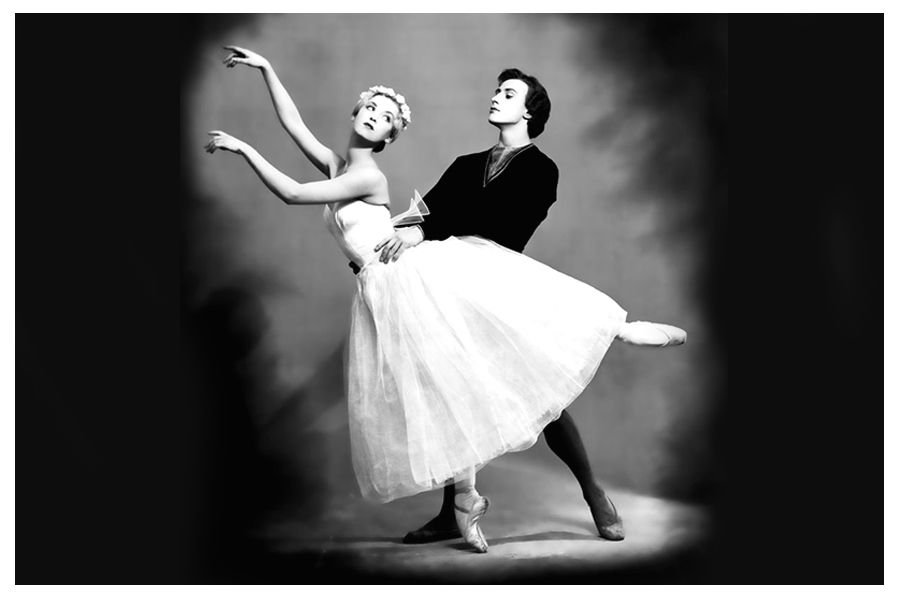
The extraordinary life of Natalia Makarova exemplifies the transformative power of dedication, artistry, and innovation within ballet. From her early days in Russia, her daring emigration, to her groundbreaking performances worldwide, she redefined what it means to be a ballerina. Her mastery of technique intertwined with profound emotional storytelling has left an indelible legacy that continues to inspire generations.
Her influence extends beyond individual performances; she has shaped ballet’s evolution by advocating for genuine storytelling and expressive freedom. Through her artistry, mentorship, and innovative spirit, Natalia Makarova remains one of the most revered figures in the history of dance—a true icon whose legacy will endure for centuries to come.
✉️ Stay Connected — Subscribe for Weekly Updates
Discover timeless stories, practical wisdom, and beautiful culture — delivered straight to your inbox.
*We only share valuable insights — no spam, ever.