




Ancient Chinese: From Yellow River Villages to Imperial Civilization exemplifies a fascinating journey through one of the world’s most enduring and influential civilizations. This transformation not only encompasses the development of early societies along the Yellow River but also the rise of a complex imperial system that shaped not only China but left indelible marks across world history. From humble village origins to the grandeur of imperial dynasties, this narrative encapsulates resilience, innovation, and cultural sophistication.
The Origins of Ancient Chinese Society – Birthplaces Along the Yellow River

The Yellow River, often referred to as the “Cradle of Chinese Civilization,” holds a pivotal place in understanding the origins and early development of Chinese society. Its fertile plains not only provided sustenance for ancient peoples but also created a conducive environment for early agricultural practices, social organization, and technological innovations. It was along this mighty river that the earliest settlements took root, gradually evolving into more complex communities that laid the groundwork for future political, cultural, and economic developments.
The initial settlers along the Yellow River were primarily engaged in hunting, gathering, and early forms of farming. As climate conditions stabilized around 7000 BCE, these groups began cultivating millet, which became a staple crop, allowing populations to grow and societies to become more structured. The transition from nomadic to settled life was crucial, as it led to the development of village-based societies that could sustain larger populations and support differentiated roles within communities.
The importance of the Yellow River region cannot be overstated; it was not merely a physical resource but also a symbol of stability and cultural identity. The river’s annual flooding, while often destructive, also deposited nutrient-rich silt, enriching the soil and making it highly productive for agriculture over thousands of years. Ancient Chinese societies developed sophisticated irrigation systems to control these floods, demonstrating early ingenuity in environmental management. This connection with water management and a controlled environment fostered a sense of community cooperation, which was vital to the development of early Chinese civilization.
The social structure of these early villages was relatively simple but organized. Clans and kinship groups formed the primary bonds, and leadership typically rested with elders or those with perceived ability. Over time, these small units aggregated into larger political entities, paving the way for more elaborate governance structures. The Yellow River societies also cultivated early religious practices, often centered around ancestor worship and natural spirits, which would become prominent in later Chinese religious and cultural traditions.
This era also saw the emergence of proto-writing and symbolic art, such as pottery decorated with intricate designs and primitive symbols. These artifacts suggest a burgeoning sense of identity and communication, hinting at the human desire to record and preserve collective memory. Consequently, the Yellow River villages laid the foundational ethnocultural bedrock upon which future dynasties would build their elaborate civilizations.
A key feature that distinguishes the early Yellow River societies was their adaptability. Facing environmental challenges like flooding and drought, their innovations in irrigation, flood control, and agricultural techniques exemplify resilience. These technological innovations proved crucial in ensuring the sustainability and expansion of early societies, leading to increased population and social stratification. This progression established cyclical patterns of governance, warfare, and social hierarchy that would characterize later Chinese civilizations.
In essence, the early phases of Chinese society along the Yellow River represent a remarkable convergence of environmental adaptation, technological progress, and social organization, which collectively initiated the journey from small villages to a grand imperial civilization. Their legacy is imbued in cultural practices, technological innovations, and social consciousness that persisted through millennia, culminating in the rise of China’s imperial power.
The Rise of Dynasty Foundations – Early Political Structures and Cultural Advances
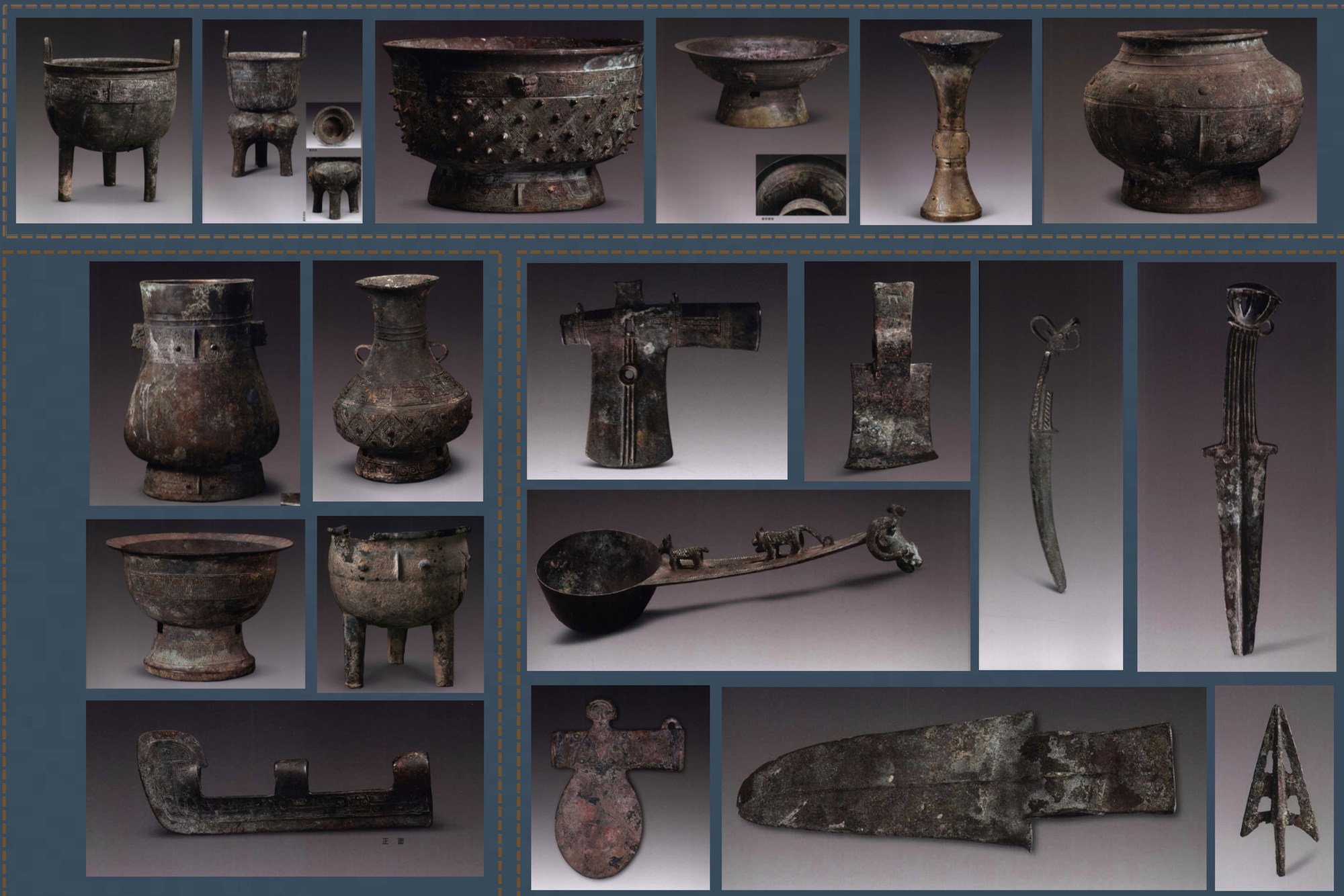
Building upon the vibrant foundation of Yellow River villages, the subsequent centuries saw the formation of early dynasties and burgeoning political systems that would propel China toward an imperial future. As these societies grew more complex, leadership roles evolved from kinship-based clans into centralized authority figures and organized states, each contributing to the intricate tapestry of Chinese civilization.
The transition from village-level societies to political entities marked a significant evolution. The legendary Xia Dynasty, often regarded as the first Chinese dynasty, symbolizes the mytho-historical leap toward organized governance. While archaeological evidence remains debated, the cultural narratives surrounding Xia reflect an emerging consciousness of statehood and leadership. As these early states consolidated power, they implemented systems of record-keeping, codified customs, and organized labor for large-scale irrigation and infrastructure projects that were critical for sustaining growing populations.
Cultural advances during this period also included the development of early Chinese writing, which was initially pictographic and used for ritual and administrative purposes. These script systems allowed leaders to formalize laws, preserve history, and communicate complex ideas across vast territories. Icons and symbols carved on oracle bones and bronze vessels reveal a society invested in divination, spiritual realms, and ancestor veneration—elements that would become central to Chinese religious life.
The social hierarchy became more defined, with aristocratic elites consolidating wealth and political authority, often justified through religious or ancestral mandates. This class division set the stage for subsequent dynastic rule, where emperors claimed divine legitimacy, and bureaucracies emerged to manage vast territories and diverse populations. The centralization of power was often accompanied by state-sponsored cultural and technological innovations, such as advances in metallurgy and agriculture, which increased productivity and reinforced the authority of the ruling class.
The moral philosophy of early China, including concepts of hierarchy, harmony, and filial piety, began to take shape during this formative period. These ideas would later crystallize in Confucianism, which in turn became a cornerstone of Chinese governance and cultural identity for centuries. The emphasis on social order, responsibility, and respect for authority helped stabilize these emerging states, enabling them to withstand external threats and internal divisions.
Environmental and technological innovations also played a vital role in this development. The invention of new farming techniques, such as the use of iron tools and better flood management, increased agricultural yields, supporting larger armies and bureaucracies. Such advancements were crucial for state expansion, trade, and cultural exchange within and beyond Chinese borders.
Furthermore, early Chinese art forms, including bronze casting, pottery, and ritual objects, gained sophistication and expressiveness. These artifacts reflect a society deeply invested in spiritual and cultural practices, with craftsmanship often serving both practical and ceremonial purposes. As dynasties evolved, cultural continuity remained vital, fostering a collective identity rooted in shared values, language, and customs.
In summary, the rise of early political structures and cultural advances from the Yellow River valley marked a significant leap toward what would eventually become a unified imperial civilization. The establishment of political authority, religious beliefs, and technological progress created a framework that endured for millennia, shaping the political and cultural fabric of China and laying the foundation for future dynasties.
From Unification to the Imperial Era – The Development of a Centralized Dynastic System

The transition from a collection of disparate states to a unified imperial civilization is one of the most profound achievements in Chinese history. This chapter of development involved strategic military, political, and cultural efforts, culminating in the rise of the Qin Dynasty, which extraordinaryly standardized political structures, legal codes, and even cultural practices, transforming fragmented early states into a dominant imperial power.
The Warring States period (475–221 BCE) exemplifies the era’s turmoil and rapid political development. Several rival states vied for dominance, employing innovative military strategies, diplomacy, and internal reforms. The eventual victory of Qin marked a turning point—ushering in centralized rule and establishing the first unified Chinese empire under Qin Shi Huang. His reign was marked by sweeping reforms, including the standardization of weights, measures, writing, and even axle lengths to facilitate trade and communication across a vast territory.
Qin Shi Huang’s administration laid the groundwork for future imperial governance by creating a highly centralized bureaucratic system. He appointed officials based on merit rather than kinship, a practice that increased state efficiency. While his rule employed harsh legalist policies that often suppressed dissent, their effectiveness in consolidating power cannot be understated.
One of the most iconic developments during Qin governance was the construction of parts of what would become the Great Wall, aiming to defend against northern invasions. Moreover, the Qin standardized currency, writing scripts, and legal codes, facilitating cohesion within the empire. These measures created a sense of unity and identity that transcended regional differences, fostering shared culture and political legitimacy.
The subsequent Han Dynasty (206 BCE – 220 CE) expanded on Qin’s achievements but with a more refined approach emphasizing Confucian principles, bureaucratic governance, and economic expansion. The Han period cemented the notion of a centralized yet bureaucratically managed empire, marking a high point in Chinese civilization’s development. It also witnessed technological innovations like papermaking, which revolutionized record-keeping and cultural dissemination.
The hierarchy within the Han Empire reflected a complex but stable structure, with the emperor at the top, supported by officials, scholars, and artisans. The civil service examination system emerged, selecting officials based on merit and knowledge of Confucian classics. This promoted a more inclusive yet meritocratic administrative system that lasted for centuries and embedded cultural values into governance.
Culturally, the imperial era fostered an impressive body of literature, arts, science, and philosophy. Confucianism, Daoism, and Buddhism influenced societal values, spiritual life, and state policy. The Silk Road trade routes also began to flourish during this period, facilitating cultural exchange and economic prosperity. From the development of ceramics to advancements in astronomy, the empire became a hub of innovation and cultural richness.
Encompassing reforms in law, governance, technology, and culture, the imperial era exemplifies the pinnacle of ancient Chinese civilization’s development. It created structures and traditions that would endure through centuries, underpinning China’s identity as a unified, valorous, and culturally sophisticated state.
Conclusion

The evolution of Ancient Chinese: From Yellow River Villages to Imperial Civilization depicts a remarkable journey spanning thousands of years. Beginning with humble settlements along the Yellow River, the Chinese people innovated agricultural, social, and political practices that laid a resilient foundation for future dynasties. The gradual unification under powerful dynasties, the development of sophisticated bureaucracy, legal systems, and cultural traditions transformed a series of loosely connected societies into one of the world’s most enduring civilizations. This evolution showcases the ingenuity, resilience, and depth of Chinese history—a testament to how humble village origins can give rise to a majestic imperial empire. As we reflect on this journey, it becomes evident that the roots of Chinese civilization lie in the fertile plains and evolving communities along the Yellow River, whose legacy continues to influence the modern world profoundly.
✉️ Stay Connected — Subscribe for Weekly Updates
Discover timeless stories, practical wisdom, and beautiful culture — delivered straight to your inbox.
*We only share valuable insights — no spam, ever.