


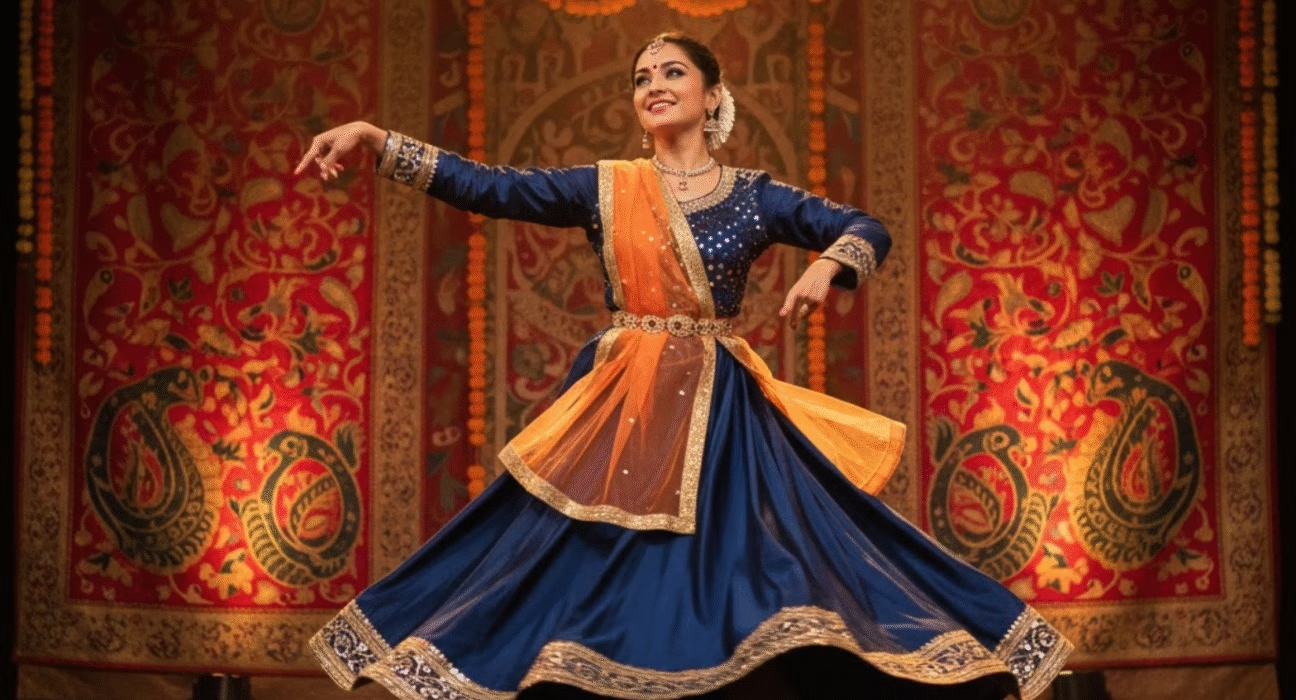
In today’s globalized cultural landscape, the timeless narratives and expressive artistry of ballet and Bharatanatyam continue to enchant audiences worldwide. These two dance forms—one rooted in Western tradition and the other in Indian spiritual heritage—offer distinctive stories and techniques that resonate across generations. Exploring Ballet vs. Bharatanatyam: How Two Classical Worlds Captivate Modern Audiences reveals not only their differences but also their surprising intersections, illustrating how classical dance remains vital and vibrant in the contemporary era.
Delving into these art forms highlights the profound ways they convey emotion, cultural identity, and artistic excellence. Both ballet and Bharatanatyam have evolved through centuries—ballet blossomed into a polished, theatrical spectacle rooted in European aristocracy, whereas Bharatanatyam epitomizes devotional storytelling passed down through Indian temples. Yet, despite their contrasting origins, both continue to inspire new audiences, urging us to reflect on the universal language of dance.
The Origins and Evolution of Ballet and Bharatanatyam
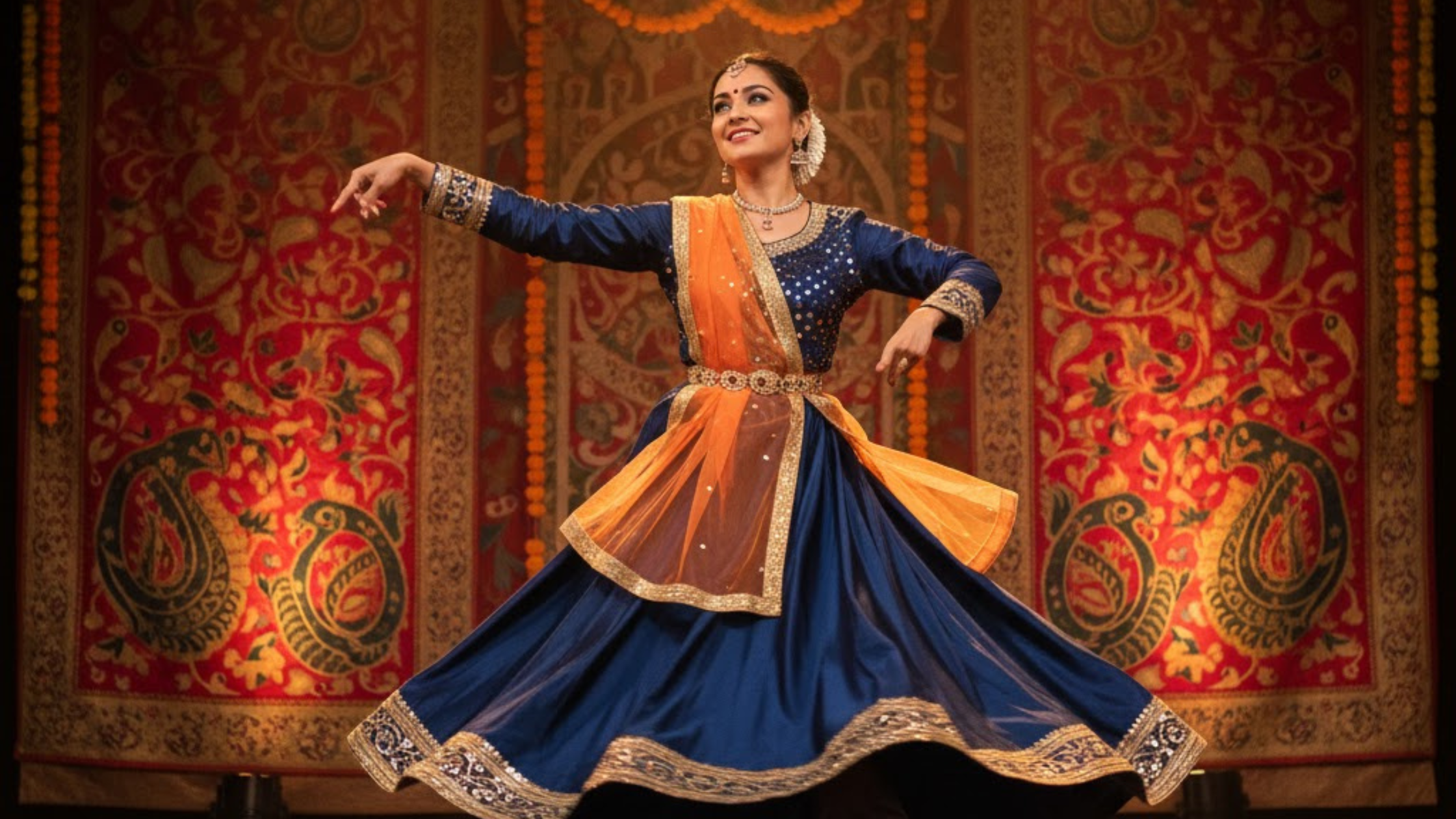
Ballet’s roots trace back to the European Renaissance, where it evolved as a form of aristocratic entertainment, emphasizing grace, symmetry, and narrative storytelling through structured movements and costumes. Its development was shaped by European courts and later, dedicated academies that formalized technique, making it a global phenomenon today. Ballet’s emphasis on flawless technique, pointe work, and expressive adagio creates a mesmerizing visual spectacle that appeals to contemporary audiences seeking sophistication and aesthetic purity.
In contrast, Bharatanatyam’s origins are deeply intertwined with Indian temples, functioning as a spiritual practice dedicated to deities. Its storytelling relies heavily on intricate hand gestures (mudras), rhythmic footwork, and expressive facial expressions (abhinaya). Rooted in centuries-old religious and cultural traditions, Bharatanatyam aims to evoke divine narratives and cosmic themes. Over the years, this dance form adapted from temple rituals into stage performances, maintaining its spiritual essence while reaching global audiences. Its vibrant costumes and emotive style convey a sense of cultural pride and spiritual depth rarely paralleled elsewhere.
Artistic Expression and Technique – A Comparative Perspective
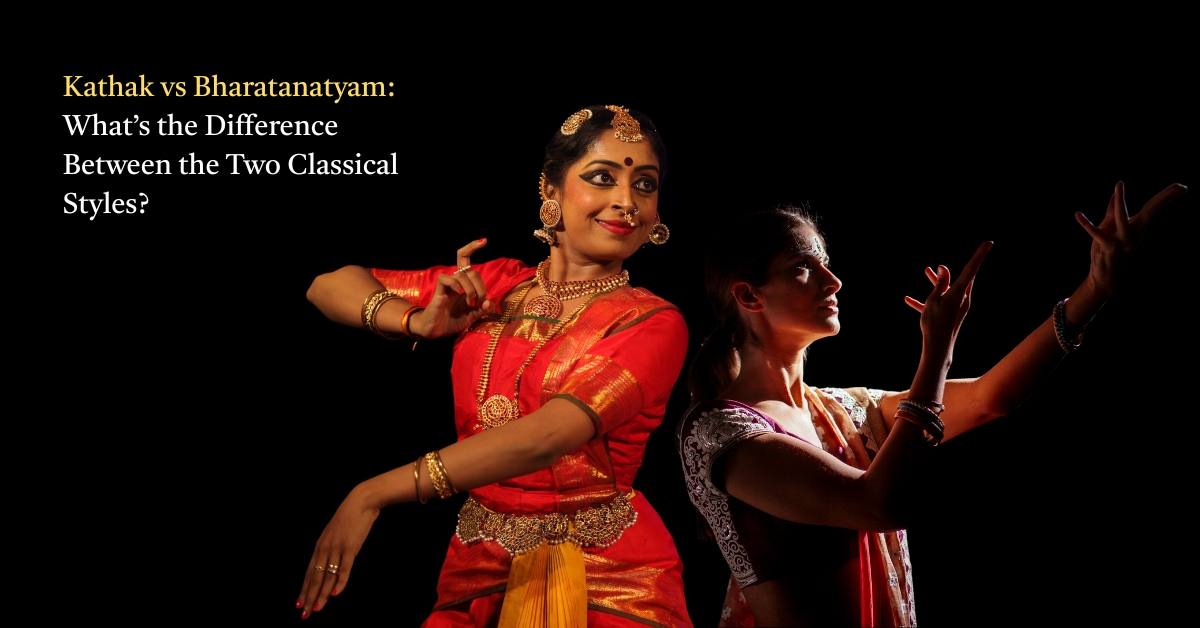
Both ballet and Bharatanatyam excel in their ability to convey stories and emotions, albeit through contrasting techniques. Ballet is characterized by precision, elevation, and flow, demanding rigorous training to achieve perfect lines and effortless grace. Its dancers embody a blend of strength and delicacy, often portraying classical stories, mythologies, and abstract themes with poetic movements.
Meanwhile, Bharatanatyam’s expressiveness is intensely personal and spiritual. It emphasizes storytelling through vivid facial expressions and precise hand gestures, requiring dancers to evoke emotions directly from within. The rhythmic footwork, aligned with traditional Carnatic music, creates a captivating interplay of sound and movement. This dance form fosters a deep connection between performer and audience, often invoking religious fervor or mythological narratives, making each performance a meditative act of devotion.
Both art forms are technically demanding yet serve different artistic philosophies: ballet prioritizes aesthetic idealism and physical mastery, whereas Bharatanatyam emphasizes spiritual narrative and emotional sincerity. Interestingly, modern choreographers explore blending these techniques, creating hybrid works that enrich both traditions and broaden their appeal.
Cultural Impact and Global Appeal in the Modern Era
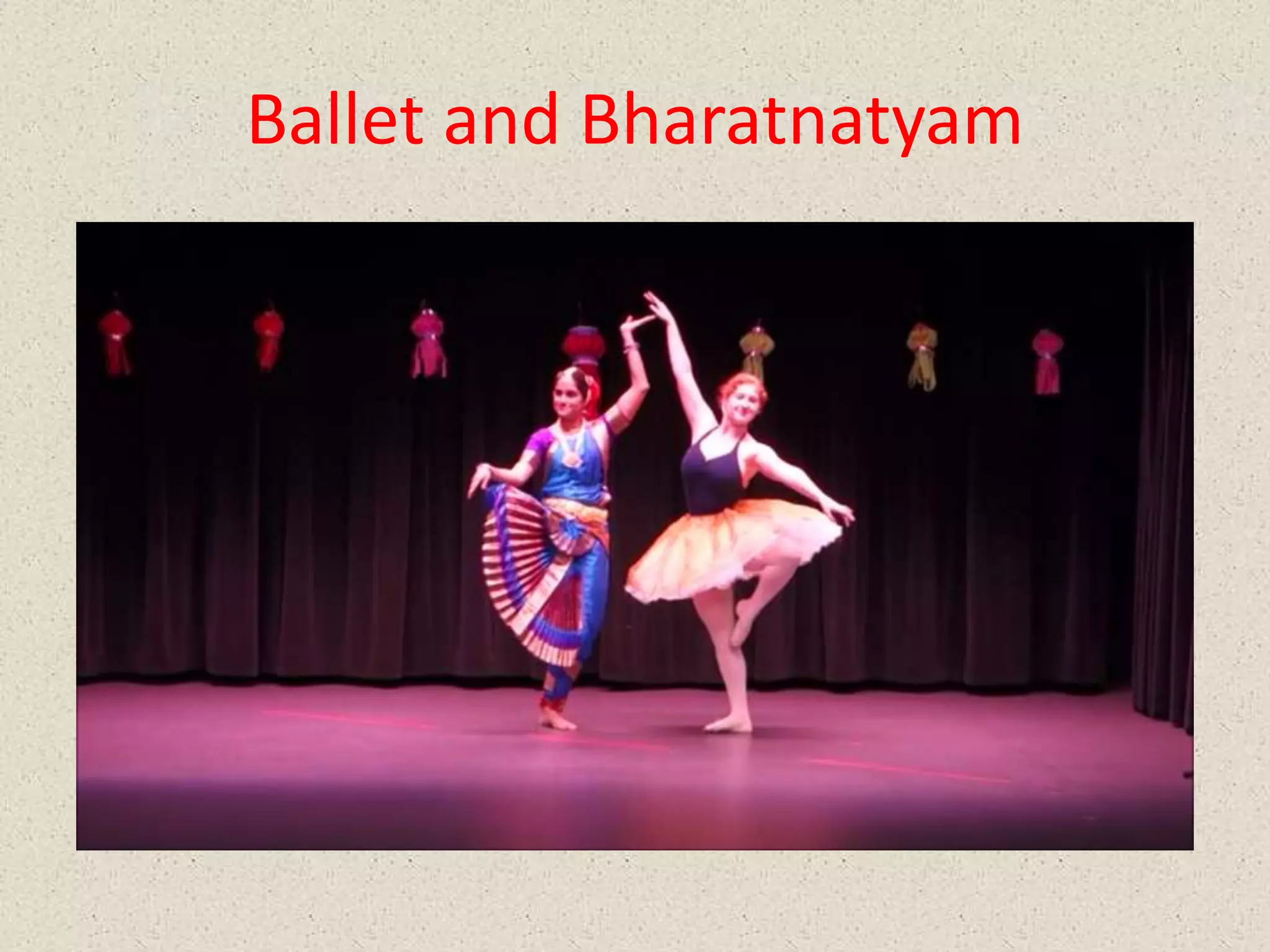
In recent decades, ballet and Bharatanatyam have transcended their cultural boundaries, inspiring a worldwide appreciation for classical dance. The storytelling richness and aesthetic beauty of ballet appeal to audiences seeking escapism and artistic perfection, often showcased in grand theaters and international ballet festivals. Its universal themes—love, heroism, tragedy—resonate regardless of cultural background.
Conversely, Bharatanatyam’s arrival on international stage has opened avenues for cultural diplomacy, fostering intercultural dialogue and appreciation for Indian heritage. Its intricate movements and devotional core invite viewers into a spiritual realm, offering a unique perspective on Indian history and philosophy. Contemporary artists are innovating within Bharatanatyam—fusing it with modern dance, multimedia, and social themes—thus ensuring its relevance for new generations.
Both dance forms influence contemporary popular culture—ballet with its visual grandeur in movies and fashion, Bharatanatyam shaped by its vibrant visuals and storytelling into Bollywood choreography and fusion performances. This cross-pollination underscores the universal appeal of these classical worlds, making them vital parts of modern artistic expressions.
Personal Reflection and Future Perspectives
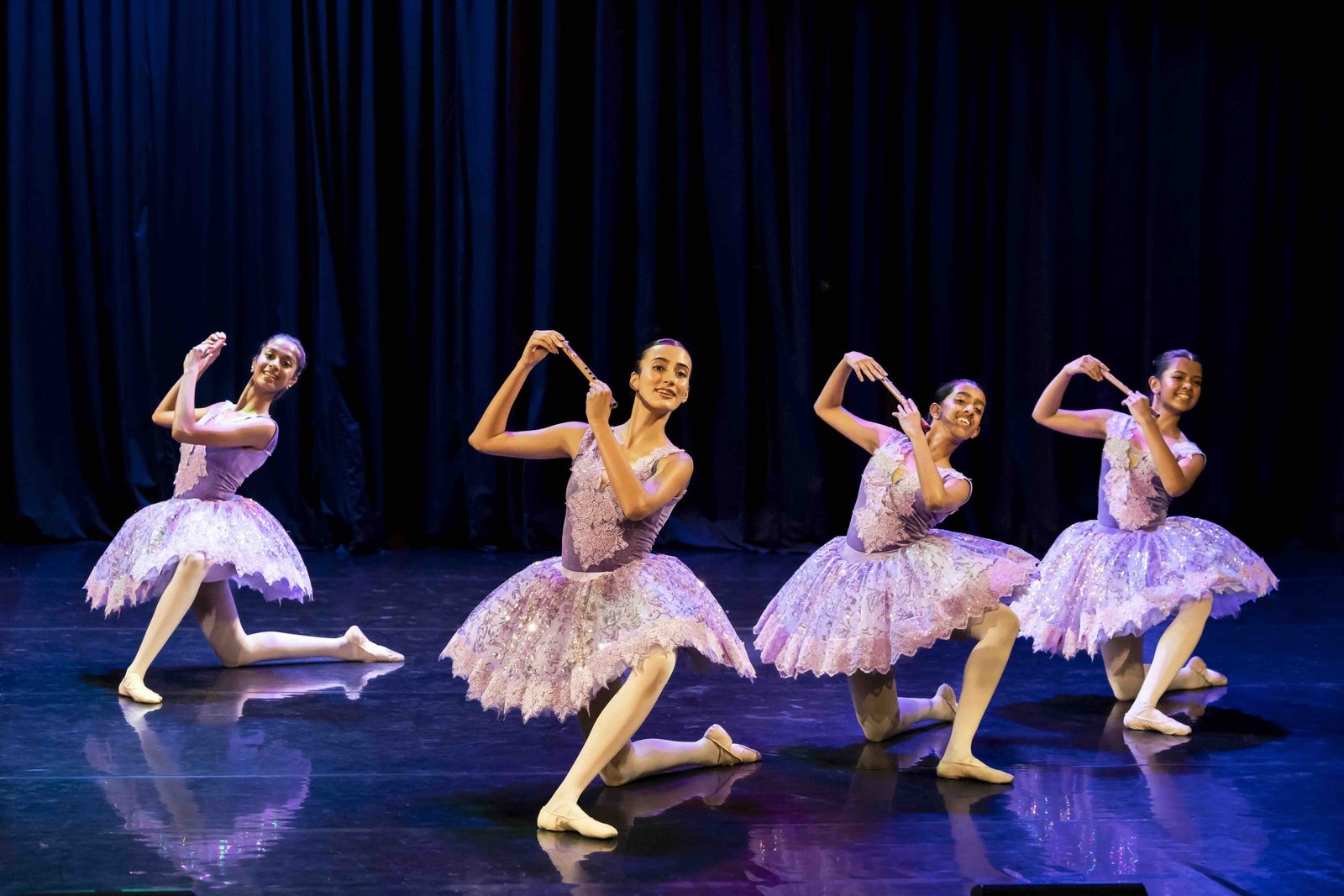
From a personal perspective, exploring Ballet vs. Bharatanatyam: How Two Classical Worlds Captivate Modern Audiences underscores the importance of cultural heritage in fostering global artistic dialogue. While ballet’s polished technique often symbolizes perfection, Bharatanatyam’s heartfelt storytelling reveals the power of emotion and spirituality. Both forms demonstrate that dance is more than movement—it’s a reflection of identity, history, and human experience.
Looking ahead, these classical traditions will likely continue to evolve, absorbing new influences while preserving their distinctive roots. As they do, they foster mutual respect and understanding among diverse audiences. Technological advances—such as virtual performances, digital archives, and interactive tools—offer exciting opportunities for engaging younger generations. Ultimately, their enduring appeal proves that dance remains a universal language capable of bridging cultures and inspiring future artists.
Conclusion
Ballet and Bharatanatyam, despite their different origins and techniques, share a common power to captivate modern audiences through their expressive storytelling, technical mastery, and cultural significance. These classical art forms—one emphasizing aesthetic perfection, the other spiritual authenticity—continue to evolve and inspire, illustrating that tradition and innovation can coexist beautifully in our contemporary world. As both dance forms reach new audiences across the globe, they testify to dance’s timeless ability to evoke emotion, preserve cultural heritage, and celebrate human creativity.
✉️ Stay Connected — Subscribe for Weekly Updates
Discover timeless stories, practical wisdom, and beautiful culture — delivered straight to your inbox.
*We only share valuable insights — no spam, ever.